

 English
 Spanish
 French
 German
 Italian
 Chinese (Simplified)
 Japanese
 Korean
 Arabic
 Portuguese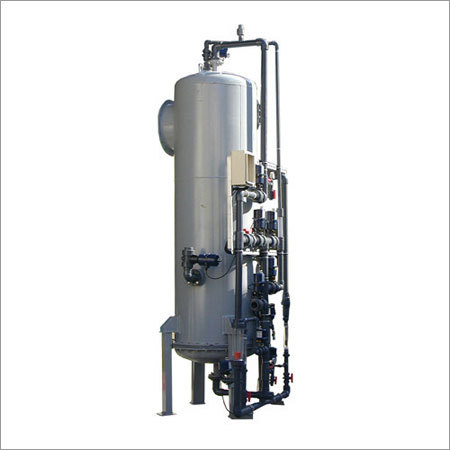
Industrial Water Deionizers
300000.00 - 2500000.00 INR/Unit
Product Details:
- Flow Rate 500 LPH - 5000 LPH
- Usage Suitable for Pharmaceutical, Laboratory, Boiler Feed, Electronics
- Technology Ion Exchange
- Accessories Resin, Pressure Gauge, Control Valve, FRP Vessel
- Features High Efficiency, Easy to Operate, Low Maintenance
- Type Industrial Water Deionizer
- Material FRP / Stainless Steel
- Click to View more
X
Industrial Water Deionizers Price And Quantity
- 1 Piece
- 300000.00 - 2500000.00 INR/Unit
Industrial Water Deionizers Product Specifications
- Floor
- Ion Exchange
- Max 45°C
- Approx. 120
- FRP / Stainless Steel
- Industrial water purification
- Borewell, Municipal, Industrial Supply
- High Efficiency, Easy to Operate, Low Maintenance
- 500 LPH - 5000 LPH
- 220V/50Hz
- Floor Standing
- 220-240V, 50-60 Hz
- As per requirement
- Industrial Water Deionizer
- Removal of dissolved ions and minerals
- Resin, Pressure Gauge, Control Valve, FRP Vessel
- Suitable for Pharmaceutical, Laboratory, Boiler Feed, Electronics
- 500 LPH - 5000 LPH
- 1200 x 500 x 1800 mm
- Automatic Multi-Port Valve
- Fully Automatic / Semi-Automatic
- Deionized / Demineralized Water
- Blue / Grey / Custom
- < 1 S/cm
- 6.5-8.5
- UPVC/SS
- Mild Steel, Powder Coated
- 2-4 kg/cm2
- Manual/Auto
- 6 months to 1 year (depending on usage and water quality)
- 10-15 Years
- Cation and Anion Exchange Resin
Industrial Water Deionizers Trade Information
- 20 Piece Per Week
- 10 Days
Product Description
Technical Specification
Minimum Order Quantity | 1 Unit |
Capacity | 1000-3000 LPH |
Usage | Liquid Filter |
Type | Water Filter Parts |
Material | Stainless Steel |
Installation Service | Yes |
Model/Type | 3000 LPH. |
Efficient Ion Exchange Technology
Utilizing both cation and anion exchange resins, this industrial deionizer removes unwanted dissolved ions and minerals from water, ensuring high-purity output ideal for sensitive applications. The technology guarantees water conductivity less than 1 S/cm, meeting stringent requirements for pharmaceutical and laboratory use.
Durable Construction and Easy Operation
Built with powder-coated mild steel skids and either FRP or stainless steel vessels, the deionizer is designed for longevity and reliability, providing a service life of 1015 years. Its ergonomic design and fully automatic or semi-automatic operating modes allow for simple, efficient operation and maintenance.
Versatile Applications and Customization
Suitable for a wide range of water sources including borewell, municipal, and industrial supply, the deionizer supports capacities from 500 to 5000 LPH and allows customization of storage and color. Applications include pharmaceutical manufacturing, laboratory processes, boiler feed, and electronics production, making it a versatile choice for any industrial setting.
FAQs of Industrial Water Deionizers:
Q: How does the industrial water deionizer remove ions and minerals from the water?
A: The deionizer employs cation and anion exchange resins to capture and eliminate dissolved ions and minerals present in the incoming water. This ion exchange process results in deionized water with a conductivity of less than 1 S/cm.Q: What is the typical lifespan of the resins used in this deionizer?
A: The usage life of the cation and anion exchange resins typically ranges from 6 months to 1 year, depending on water quality and operational frequency. Proper maintenance and timely regeneration extend resin efficiency.Q: When should resin regeneration be carried out, and how is it done?
A: Resin regeneration is required when water conductivity begins to rise above the specified threshold, usually after several months of use. The system supports both manual and automatic regeneration using specific chemicals to restore resin effectiveness.Q: Where can this industrial deionizer be installed?
A: The deionizer is designed for floor-mounted installation, suitable in factories, laboratories, pharmaceutical plants, and industrial facilities receiving water from borewell, municipal, or industrial sources.Q: What maintenance is required for optimal operation of the water deionizer?
A: Routine maintenance includes monitoring water quality, inspecting control valves and pressure gauges, regenerating resins as scheduled, and periodically checking for wear on components such as the FRP vessel and pipe connections. The unit is engineered for low maintenance and high operating efficiency.Q: How does using this deionizer benefit industrial water purification processes?
A: Employing this deionizer ensures the supply of high-purity deionized water essential for sensitive industrial processes. It enhances efficiency in boilers, pharmaceuticals, laboratories, and electronics production by preventing scaling, contamination, and equipment damage caused by dissolved ions.Tell us about your requirement

Price:
Quantity
Select Unit
- 50
- 100
- 200
- 250
- 500
- 1000+
Additional detail
Mobile number
Email


SPARES INDIA WATER TECHNOLOGIST
GST : 24ADEPK6915F1ZR
GST : 24ADEPK6915F1ZR
Contact Us

- 119, Rajdeep Industrial Estate, Near Vatva Tolnaka, Vatva,Ahmedabad - 382440, Gujarat, India
- Phone :08045479347
|


- Mr Hitesh Ganpatlal Khambholja (Proprietor)
- Mobile :08045479347
- Send Inquiry
 Send Inquiry
 Send Inquiry
 Send SMS
SPARES INDIA WATER TECHNOLOGIST
All Rights Reserved.(Terms of Use)
Developed and Managed by Infocom Network Private Limited.
Developed and Managed by Infocom Network Private Limited.

